
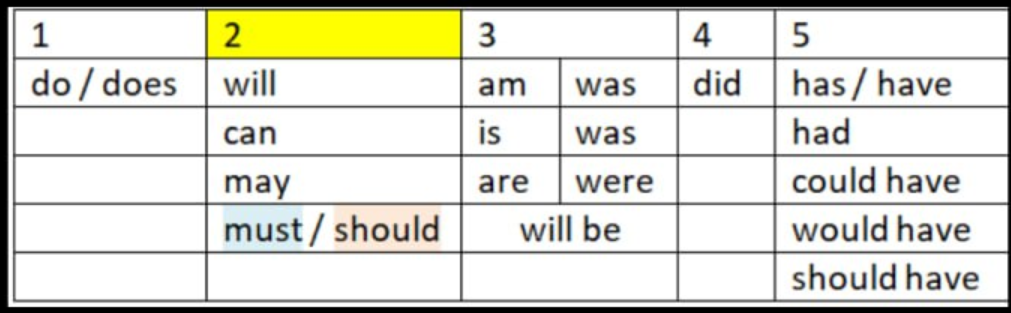
ഇനി നമുക്ക് രണ്ടാം കോളത്തിലെ അടുത്ത കോഡ് വാക്ക് നോക്കാം.
അത് Must, Should എന്നീ രണ്ട് വാക്കുകൾ ആണ്. ഇവയ്ക്ക് രണ്ടിനും ഈ കോളത്തിൽ ഒരേ അർത്ഥമാണ് ഉള്ളത്.
ഈ വാക്കുകളുടെ അർത്ഥം ചെയ്യണം, സംഭവിക്കണം എന്നൊക്കെയാണ് ഈ കോളത്തിൽ.
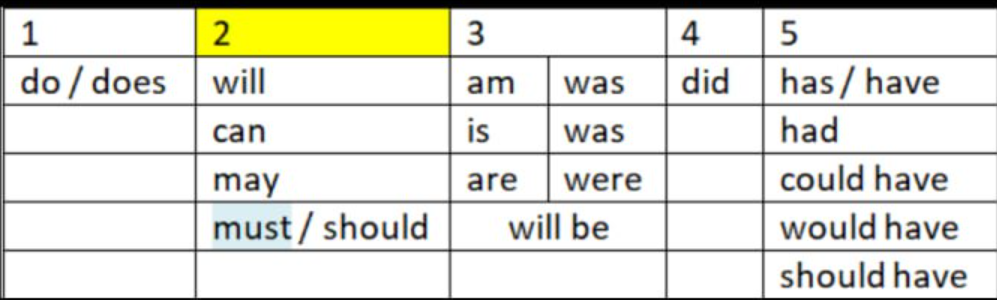
ഇപ്പോൾ നമുക്ക് Must എന്ന വാക്ക് മാത്രം ഉപയോഗിക്കാം.
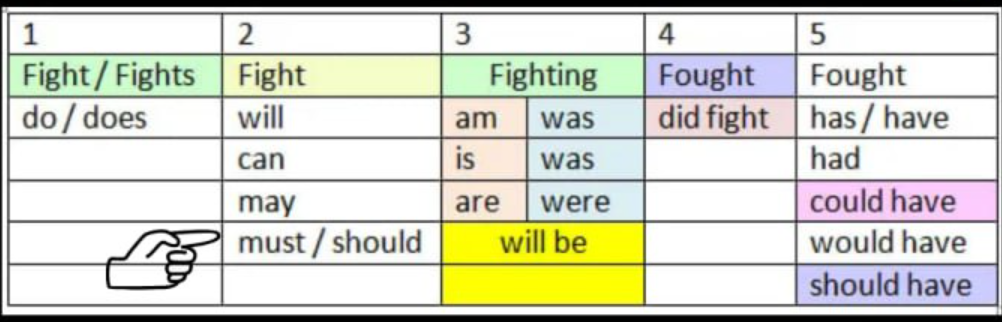
Column no. two
Must / should - ചെയ്യണം, സംഭവിക്കണം.
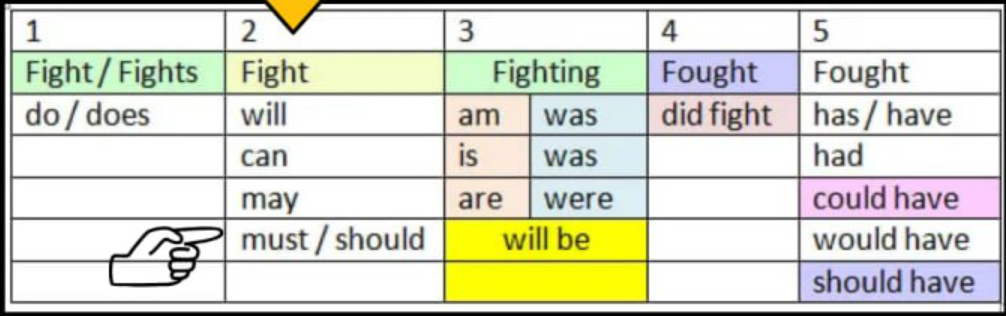
Col 1 Fight/Fights അടികൂടാറുണ്ട്, അടികൂടുന്നു
Col 2 👉Fight അടികൂടുക (സാമാന്യ അർത്ഥം)
Col 3 Fighting അടികൂടുന്നു, അടികൂടികൊണ്ടിരിക്കുന്നു, അടികൂടികൊണ്ടിരിക്കുകയായിരുന്നു, അടികൂടുകയായിരുന്നു
Col 4 Fought അടികൂടി
Col 5 Fought അടികൂടിയിരുന്നു, അടികൂടിയിട്ടുണ്ട് &c.

1. I must fight till I win.
ഞാൻ ജയിക്കുന്നതുവരെ ഞാൻ പോരാടണം.
Must I fight till I win?
ഞാൻ ജയിക്കുന്നതുവരെ ഞാൻ പോരാടണമോ?
ഇവിടെ ശ്രദ്ധിക്കുക:
ചോദ്യമുണ്ടാക്കാൻ,
must എന്ന വാക്കിനെ
മുന്നിലേക്ക് കൊണ്ടുപോകുക!

2. He must fight with them.
Must he fight with them?
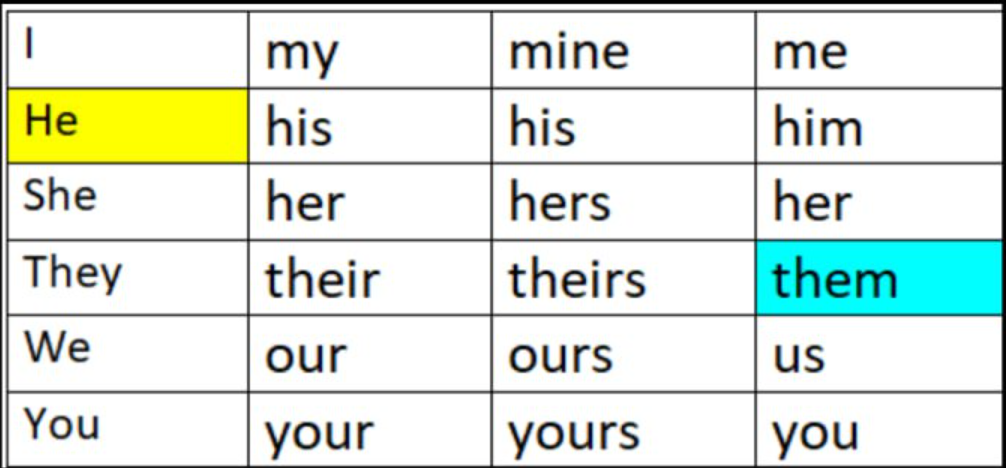
3. She must fight with her enemies.
Must she fight with her enemies?
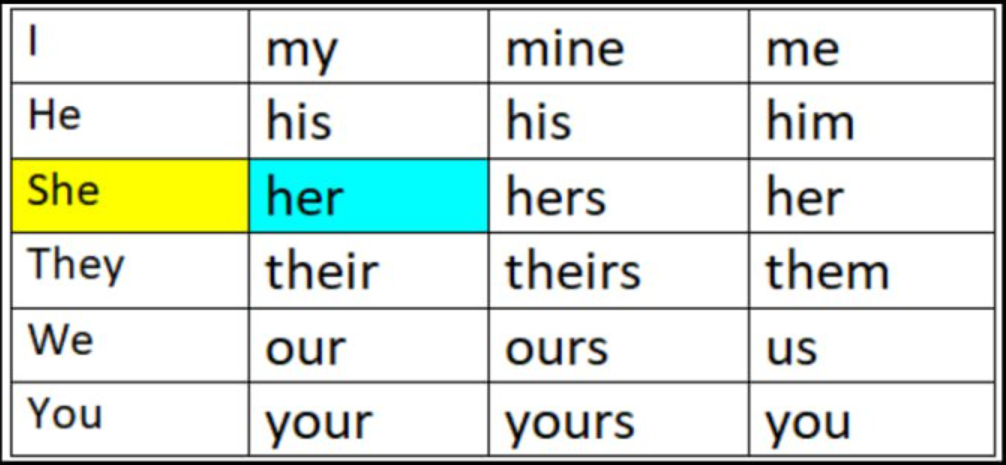
4. They must fight for their rights.
Must they fight for their rights?
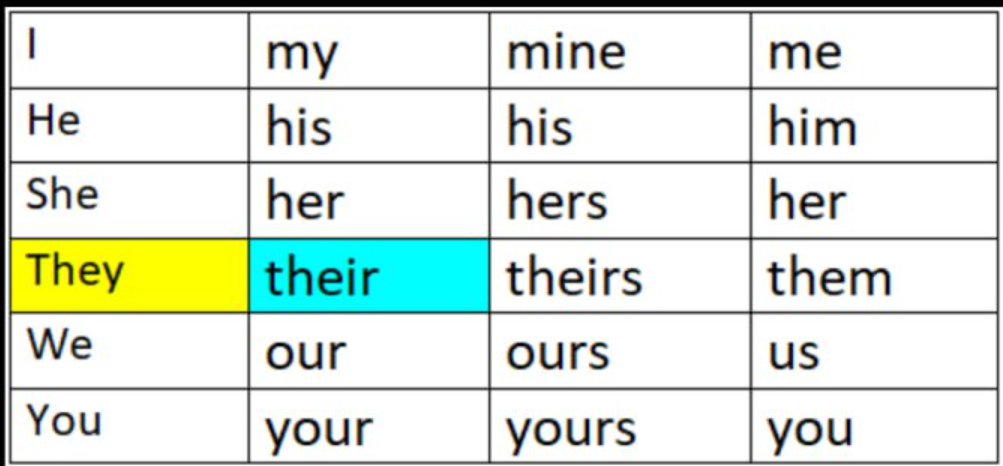
5. We must fight with their neighbours.
Must we fight with their neighbours?
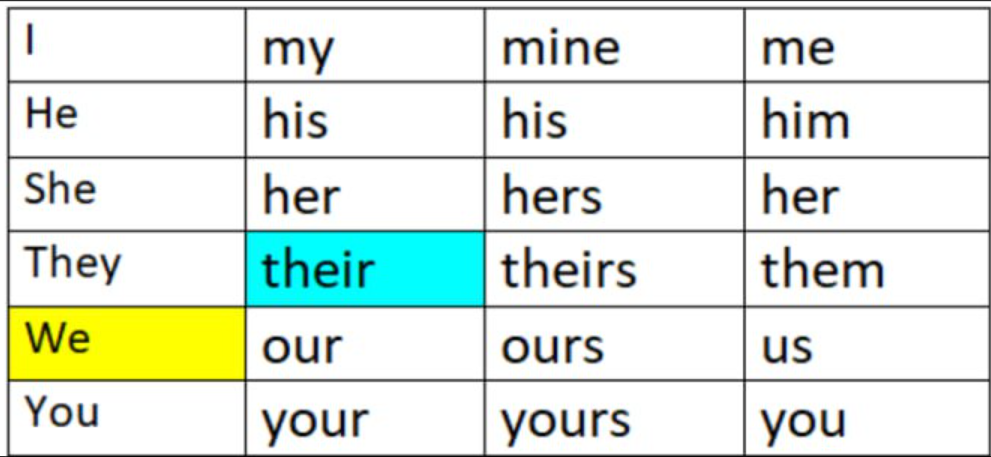
6. You must fight with your tormentors.
Must you fight with your tormentors?
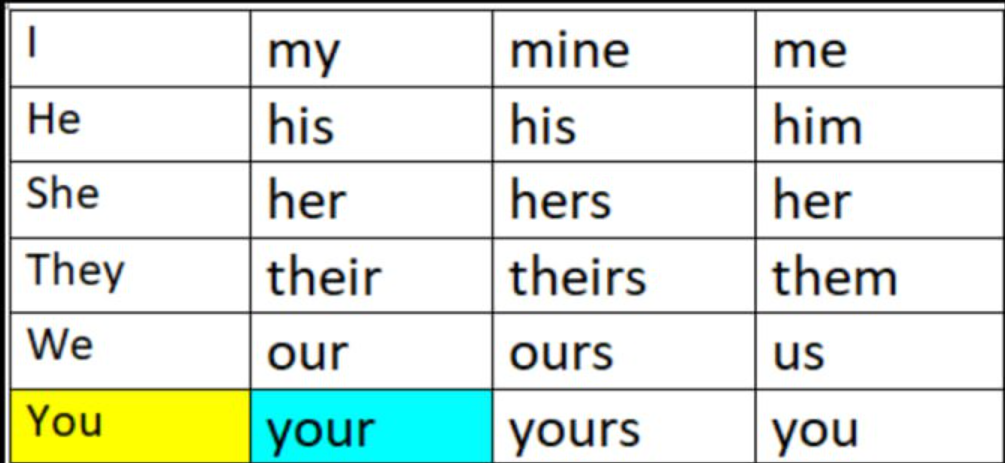
1. I must fight for my rights.
ഞാൻ എൻ്റെ അവകാശങ്ങൾക്കായി പോരാടണം.
2. Why must he fight in the competition?
എന്തുകൊണ്ടാണ് അയാൾ മത്സരത്തിൽ പോരാടേണ്ടത്?
3. She must fight against injustice.
അയാൾ(f) അനീതിക്കെതിരെ പോരാടണം.
4. When must they fight the enemy?
അവർ എപ്പോഴാണ് ശത്രുവിനോട് പോരാടേണ്ടത്?
5. We must fight to protect our village.
ഞങ്ങൾ ഞങ്ങളുടെ ഗ്രാമത്തെ സംരക്ഷിക്കാൻ പോരാടണം.
6. You must fight for what you believe in.
നിങ്ങൾ എന്തിലാണ് വിശ്വസിക്കുന്നത്, അതിന് വേണ്ടി നിങ്ങൾ പോരാടണം.
7. His father must fight his fears.
അയാളുടെ പിതാവ് അയാളുടെ ഭയങ്ങളോട് പോരാടണം.
8. What must their mother fight for?
അവരുടെ അമ്മ എന്തിനുവേണ്ടി പോരാടണം?
9. Your brother must fight in the tournament.
നിങ്ങളുടെ സഹോദരൻ ടൂർണമെൻ്റിൽ പോരാടണം.
10. How must our sister fight the challenge?
ഞങ്ങളുടെ സഹോദരി എങ്ങനെയാണ് വെല്ലുവിളിയോട് പോരാടേണ്ടത്?
11. Their neighbours must fight the rising crime.
അവരുടെ അയൽക്കാർ വർദ്ധിക്കുന്ന കുറ്റകൃത്യങ്ങളോട് പോരാടണം.
12. At what time must I fight in the match?
ഞാൻ മത്സരത്തിൽ എപ്പോഴാണ് പോരാടേണ്ടത്?
13. He must fight to win the prize.
അയാൾ സമ്മാനം നേടാൻ പോരാടണം.
14. How many times must she fight to prove herself?
അയാൾ(f) അയാളുടെ കഴിവുകളെ തെളിയിക്കാൻ എത്ര തവണ പോരാടണം?
15. They must fight for their freedom.
അവർ അവരുടെ സ്വാതന്ത്ര്യത്തിനായി പോരാടണം.
16. Why must we fight against corruption?
ഞങ്ങൾ എന്തുകൊണ്ടാണ് അഴിമതിക്കെതിരെ പോരാടേണ്ടത്?
17. You must fight with courage.
നിങ്ങൾ ധൈര്യത്തോടെ പോരാടണം.
18. His father must fight for his family’s honour.
അയാളുടെ പിതാവ് അയാളുടെ കുടുംബത്തിൻ്റെ മാനത്തിനായി പോരാടണം.
19. What must their neighbours fight against?
അവരുടെ അയൽക്കാർ എന്തിനെതിരെയാണ് പോരാടേണ്ടത്?
20. Our sister must fight to achieve her dreams.
ഞങ്ങളുടെ സഹോദരി അയാളുടെ(f) സ്വപ്നങ്ങൾ നേടാൻ പോരാടണം.
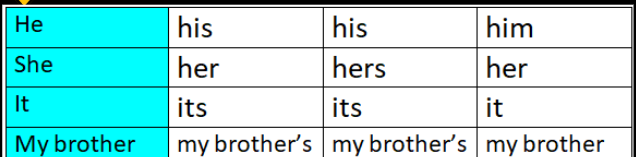
He, She, It, My brother
തുടങ്ങിയവ ഏകവചനങ്ങൾ ആണ്.
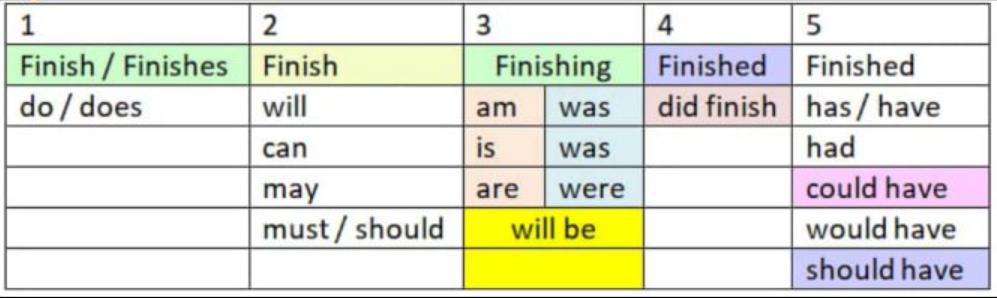
Col 1 Finish/Finishes മുഴുവിക്കാറുണ്ട്, മുഴുവിക്കുന്നു
Col 2 Finish മുഴുവിക്കുക (സാമാന്യ അർത്ഥം)
Col 3 Finishing മുഴുവിക്കുന്നു, മുഴുവിച്ചുകൊണ്ടിരിക്കുന്നു, മുഴുവിച്ചുകൊണ്ടിരിക്കുകയായിരുന്നു, മുഴുവിക്കുകയായിരുന്നു
Col 4 Finished മുഴുവിച്ചു
Col 5 Finished മുഴുവിച്ചിരുന്നു, മുഴുവിച്ചിട്ടുണ്ട് &c.
Let us start with Col 1.

I finish my work by 7 o'clock everyday.
എല്ലാ ദിവസവും, ഞാൻ എന്റെ തൊഴിൽ ഏഴുമണിയോടെ പൂർത്തീകരിക്കാറുണ്ട്. പൂർത്തീകരിക്കുന്നു.
Do I finish my work by 7 o'clock everyday?
എല്ലാ ദിവസവും, ഞാൻ എന്റെ തൊഴിൽ ഏഴുമണിയോടെ പൂർത്തീകരിക്കാറുണ്ടോ?
Why do I finish my work by 7 o'clock everyday?
എല്ലാ ദിവസവും, ഞാൻ എന്റെ തൊഴിൽ ഏഴുമണിയോടെ എന്തിനാണ് പൂർത്തീകരിക്കുന്നത്?
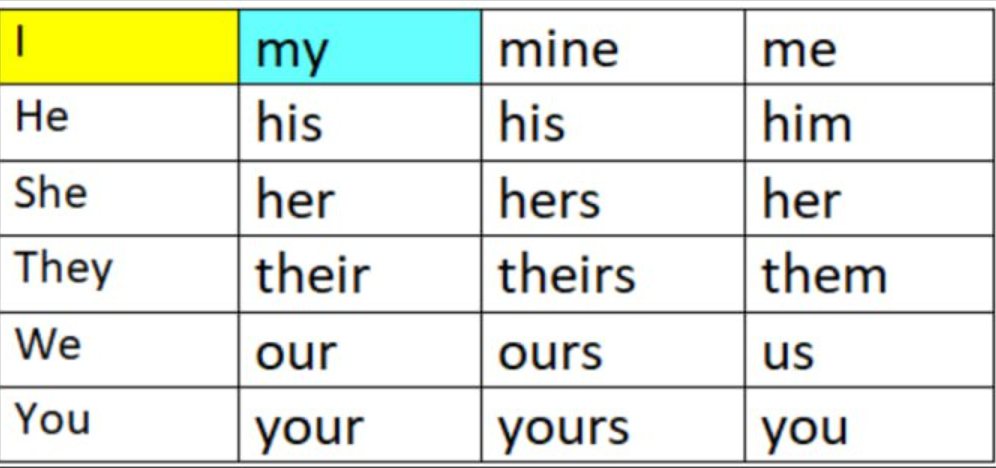

He finishes his work by 7 in the evening.
അയാൾ അയാളുടെ തൊഴിൽ വൈകുന്നേരം ഏഴുമണിയോടെ പൂർത്തിയാക്കുന്നു.
Does he finish his work by 7 in the evening?
അയാൾ അയാളുടെ തൊഴിൽ വൈകുന്നേരം ഏഴുമണിയോടെ പൂർത്തിയാക്കാറുണ്ടോ?
From where does he finish his work by 7 in the evening?
എവിടെ നിന്നുമാണ് അയാൾ അയാളുടെ തൊഴിൽ വൈകുന്നേരം ഏഴുമണിയോടെ പൂർത്തിയാക്കുന്നത്?
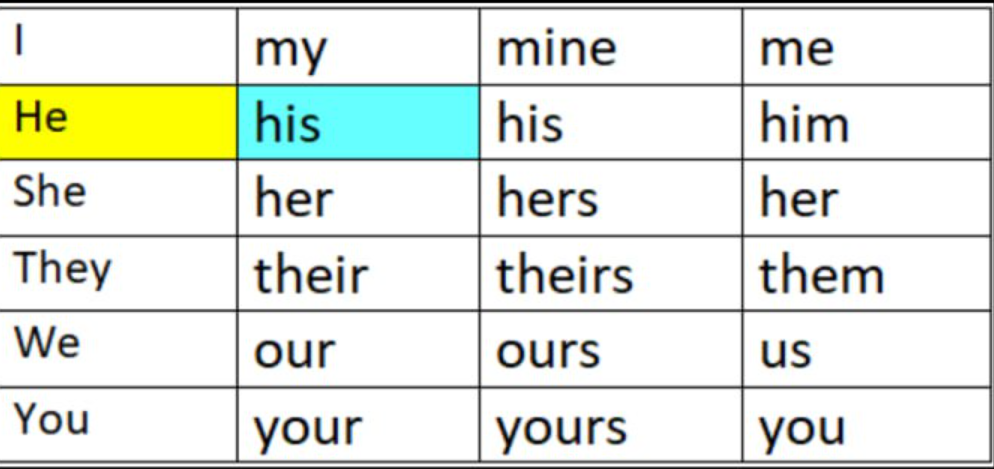
She finishes her work before she goes home.
അയാൾ (fem) വീട്ടിലേക്ക് പോകുന്നതിന് മുൻപ് അയാൾ (fem) അയാളുടെ (fem) തൊഴിൽ പൂർത്തിയാക്കുന്നു. പൂർത്തിയാക്കാറുണ്ട്.
Does she finish her work before she goes home?
അയാൾ (fem) വീട്ടിലേക്ക് പോകുന്നതിന് മുൻപ് അയാൾ (fem) അയാളുടെ (fem) തൊഴിൽ പൂർത്തിയാക്കാറുണ്ടോ?
How does she finish her work before she goes home?
അയാൾ (fem) വീട്ടിലേക്ക് പോകുന്നതിന് മുൻപ് അയാൾ (fem) അയാളുടെ (fem) തൊഴിൽ എങ്ങിനെയാണ് പൂർത്തിയാക്കുന്നത്?
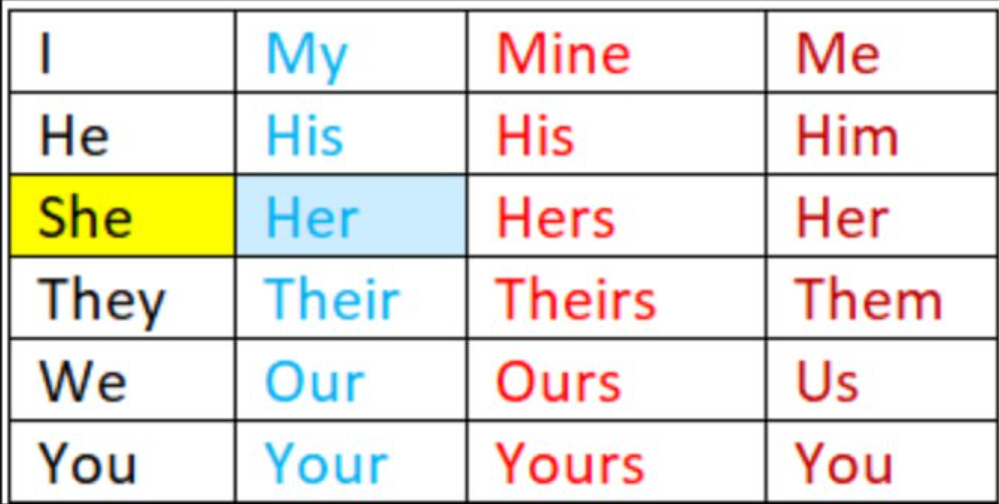

They finish their work on time.
അവർ കൃത്യസമയത്ത് അവരുടെ തൊഴിൽ പൂർത്തിയാക്കുന്നു. പൂർത്തിയാക്കാറുണ്ട്.
Do they finish their work on time?
അവർ കൃത്യസമയത്ത് അവരുടെ തൊഴിൽ പൂർത്തിയാക്കാറുണ്ടോ?
How do they finish their work on time?
അവർ എങ്ങിനെയാണ് കൃത്യസമയത്ത് അവരുടെ തൊഴിൽ പൂർത്തിയാക്കുന്നത്?
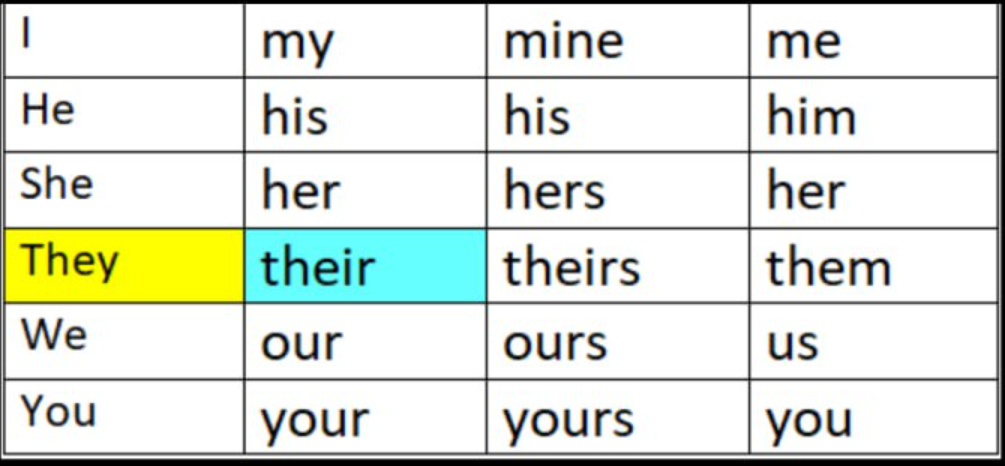
We finish our work assignments by 5 everyday.
ഞങ്ങൾ ഏറ്റെടുത്ത തൊഴിലുകൾ എല്ലാ ദിവസവും അഞ്ച് മണിയോടെ ഞങ്ങൾ പൂർത്തിയാക്കുന്നു. പൂർത്തിയാക്കാറുണ്ട്.
Do we finish our work assignments by 5 everyday?
ഞങ്ങൾ ഏറ്റെടുത്ത തൊഴിലുകൾ എല്ലാ ദിവസവും അഞ്ച് മണിയോടെ ഞങ്ങൾ പൂർത്തിയാക്കാറുണ്ടോ?
When do we finish our work assignments by 5 everyday?
ഞങ്ങൾ ഏറ്റെടുത്ത തൊഴിലുകൾ എല്ലാ ദിവസവും അഞ്ച് മണിയോടെ ഞങ്ങൾ എപ്പോഴാണ് പൂർത്തിയാക്കാറുള്ളത്?
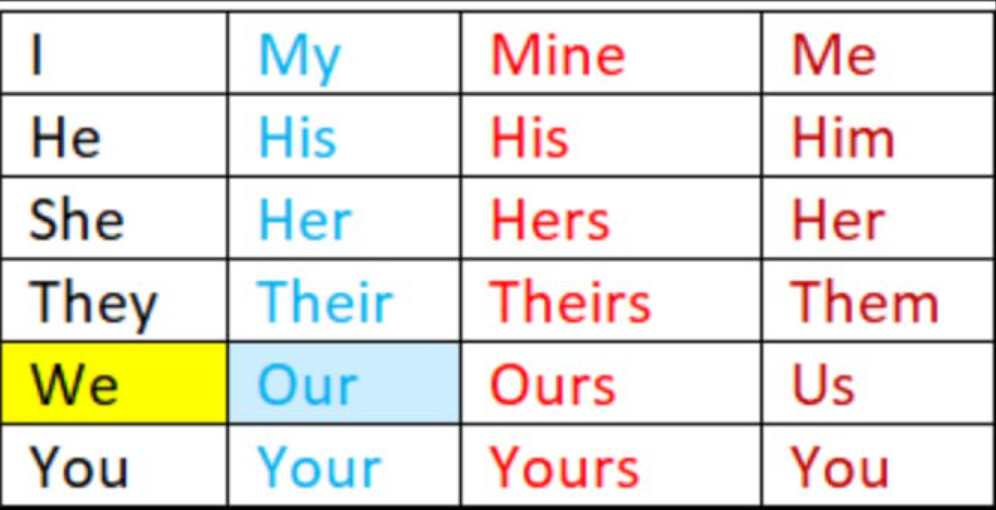
Now, I want to tell you something.
നിങ്ങളോട് ഒരു കാര്യം പറയാനുണ്ട്.
'work'. ഉച്ചാരണം, വർക്ക് എന്നല്ല.
You finish your work in the morning hours itself.
നിങ്ങൾ നിങ്ങളുടെ തൊഴിൽ രാവിലെതന്നെ പൂർത്തിയാക്കുന്നു. പൂർത്തിയാക്കാറുണ്ട്.
Do you finish your work in the morning hours itself?
നിങ്ങൾ നിങ്ങളുടെ തൊഴിൽ രാവിലെതന്നെ പൂർത്തിയാക്കാറുണ്ടോ?
How do you finish your work in the morning hours itself?
നിങ്ങൾ നിങ്ങളുടെ തൊഴിൽ രാവിലെതന്നെ എങ്ങിനെയാണ് പൂർത്തിയാക്കുന്നത്?
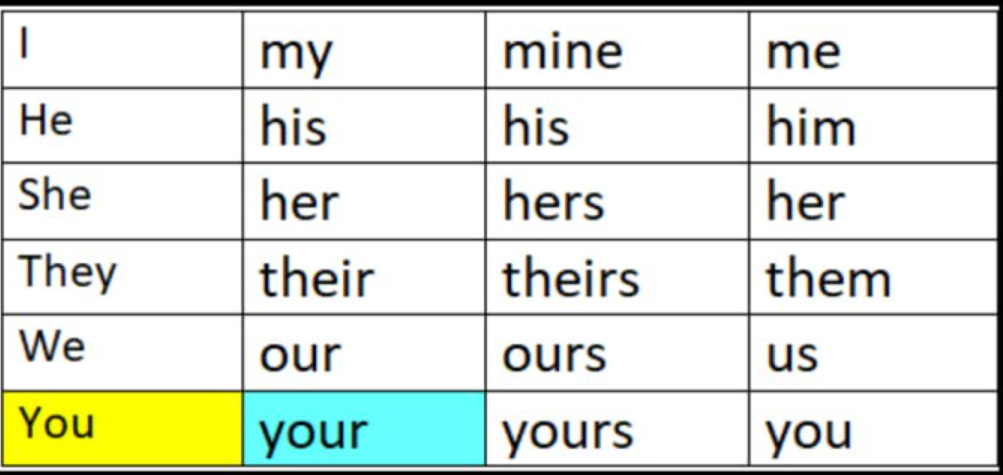
Our workers finish their work before going home.
ഞങ്ങളുടെ തൊഴിലാളികൾ അവരുടെ തൊഴിൽ അവരുടെ വീട്ടിൽ പോകുന്നതിന് മുൻപ് പൂർത്തിയാക്കുന്നു. പൂർത്തിയാക്കാറുണ്ട്.
Do our workers finish their work before going home?
ഞങ്ങളുടെ തൊഴിലാളികൾ അവരുടെ തൊഴിൽ വീട്ടിൽ പോകുന്നതിന് മുൻപ് പൂർത്തിയാഅവരുടെ ക്കാറുണ്ടോ?
How do our workers finish their work before going home?
ഞങ്ങളുടെ തൊഴിലാളികൾ അവരുടെ തൊഴിൽ അവരുടെ വീട്ടിൽ പോകുന്നതിന് മുൻപ് എങ്ങിനെയാണ് പൂർത്തിയാക്കുന്നത്?
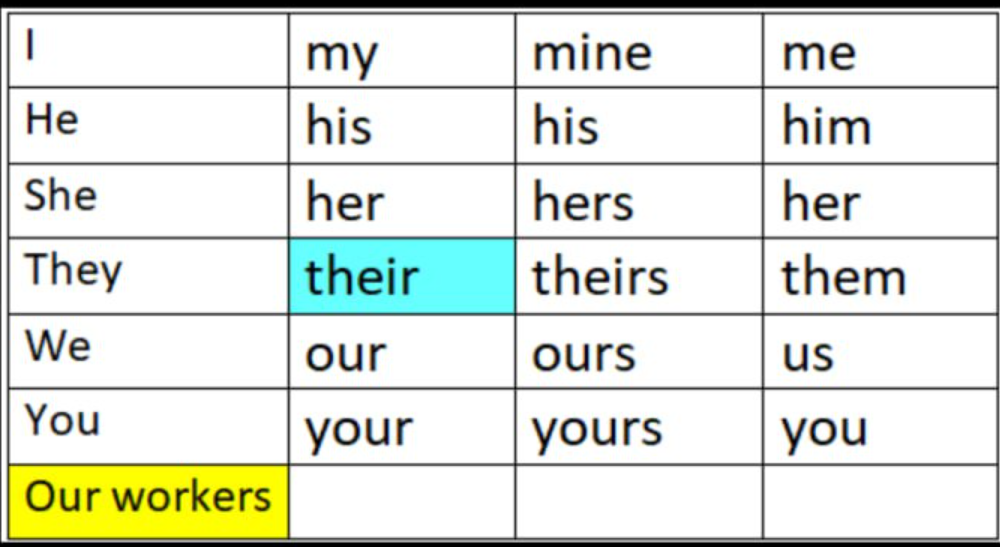

Our worker finishes his work after his evening tea.
ഞങ്ങളുടെ തൊഴിലാളി, അയാളുടെ വൈകുന്നേരത്തെ ചായക്ക് ശേഷം അയാളുടെ തൊഴിൽ പൂർത്തിയാക്കുന്നു. പൂർത്തിയാക്കാറുണ്ട്.
Does our worker finish his work after his evening tea?
ഞങ്ങളുടെ തൊഴിലാളി, അയാളുടെ വൈകുന്നേരത്തെ ചായക്ക് ശേഷം അയാളുടെ തൊഴിൽ പൂർത്തിയാക്കാറുണ്ടോ?
How does our worker finish his work after his evening tea?
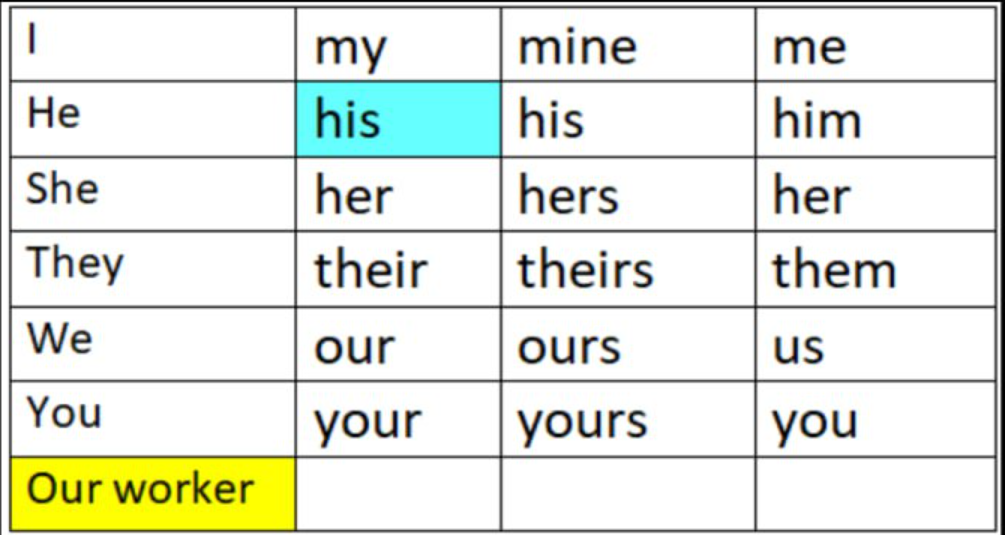

Who finishes his work by evening everyday?
ആരാണ് അയാളുടെ സ്വന്തം തൊഴിൽ എല്ലാ ദിവസവും വൈകുന്നേരത്തോടെ പൂർത്തീകരിക്കുന്നത്?
ആരാണ് അയാളുടെ തൊഴിൽ എല്ലാ ദിവസവും വൈകുന്നേരത്തോടെ പൂർത്തീകരിക്കുന്നത്?

Who all finish their work by five everyday?
ആരെല്ലാമാണ് അവരുടെ തൊഴിൽ എല്ലാ ദിവസവും അഞ്ചു മണിയോടെ പൂർത്തിയാക്കുന്നത്?
പൂർത്തിയാക്കാറുള്ളത്?
What work does she finish in the morning?
എന്തു തൊഴിലാണ് അയാൾ (fem) രാവിലെ പൂർത്തിയാക്കുന്നത്? പൂർത്തീകരിക്കാറുള്ളത്?
What work do you finish?
എന്തു തൊഴിലാണ് നിങ്ങൾ പൂർത്തിയാക്കാറുള്ളത്? പൂർത്തീകരിക്കാറുള്ളത്?
Which work does he finish?
ഏതു തൊഴിലാണ് അയാൾ പൂർത്തീകരിക്കുന്നത്? പൂർത്തീകരിക്കാറുള്ളത്?
Which work do they finish in the morning?
ഏതു തൊഴിലാണ് അവർ രാവിലെ പൂർത്തീകരിക്കുന്നത്? പൂർത്തീകരിക്കാറുള്ളത്?
Who finishes my work in the morning?
ആരാണ് എൻ്റെ ജോലി രാവിലെ പൂർത്തീകരിക്കുന്നത്?
Who does finish my work in the morning?
1. I finish my homework before dinner.
ഞാൻ അത്താഴത്തിന് മുമ്പ് എൻ്റെ ഹോംവർക്ക് പൂർത്തിയാക്കുന്നു.
2. Why does he finish his work so late?
എന്തുകൊണ്ടാണ് അയാൾ തൻ്റെ ജോലി ഇത്ര വൈകി പൂർത്തിയാക്കുന്നത്?
3. She finishes her painting in two hours.
അയാൾ(f) രണ്ട് മണിക്കൂറിനുള്ളിൽ അയാളുടെ(f) പെയിൻ്റിഗ് പൂർത്തിയാക്കുന്നു.
4. When do they finish their project?
അവർ എപ്പോഴാണ് അവരുടെ പ്രോജക്ട് പൂർത്തിയാക്കുന്നത്?
5. We finish our chores by noon.
ഞങ്ങൾ ഉച്ചയ്ക്ക് മുമ്പ് ഞങ്ങളുടെ വീട്ടുജോലികൾ പൂർത്തിയാക്കുന്നു.
6. You finish your meal quickly.
നിങ്ങൾ നിങ്ങളുടെ ഭക്ഷണം വേഗത്തിൽ പൂർത്തിയാക്കുന്നു.
7. His father finishes his book every evening.
അയാളുടെ പിതാവ് എല്ലാ വൈകുന്നേരവും അയാളുടെ പുസ്തകം പൂർത്തിയാക്കുന്നു.
8. What does their mother finish first?
അവരുടെ അമ്മ ആദ്യം എന്താണ് പൂർത്തിയാക്കുന്നത്?
9. Your brother finishes his assignments on time.
നിങ്ങളുടെ സഹോദരൻ തൻ്റെ അസൈൻമെൻ്റുകൾ കൃത്യ സമയത്ത് പൂർത്തിയാക്കുന്നു.
10. How does our sister finish her tasks so fast?
ഞങ്ങളുടെ സഹോദരി എങ്ങനെയാണ് തൻ്റെ ജോലികൾ ഇത്ര വേഗത്തിൽ പൂർത്തിയാക്കുന്നത്?
11. Their neighbours finish gardening by sunset.
അവരുടെ അയൽക്കാർ സൂര്യാസ്തമയത്തിന് മുമ്പ് പൂന്തോട്ടപരിപാലനം പൂർത്തിയാക്കുന്നു.
12. At what time do I finish my shift?
ഞാൻ എപ്പോഴാണ് എൻ്റെ ഷിഫ്റ്റ് പൂർത്തിയാക്കുന്നത്?
13. He finishes his exercise routine daily.
അയാൾ ദിവസവും തൻ്റെ വ്യായാമം പൂർത്തിയാക്കുന്നു.
14. How many times does she finish her revisions before exams?
അയാൾ(f) പരീക്ഷകൾക്ക് മുമ്പ് എത്ര തവണ അയാളുടെ(f) പുനരവലോകന പഠനം പൂർത്തിയാക്കുന്നു?
15. They finish their meeting in an hour.
അവർ ഒരു മണിക്കൂറിനുള്ളിൽ അവരുടെ യോഗം പൂർത്തിയാക്കുന്നു.
16. Why do we finish our tasks so early?
നമ്മൾ എന്തുകൊണ്ടാണ് നമ്മുചെ ജോലികൾ ഇത്ര നേരത്തെ പൂർത്തിയാക്കുന്നത്?
17. You finish your studies before the deadline.
നിങ്ങൾ നിങ്ങളുടെ പഠനം സമയപരിധിക്ക് മുമ്പ് പൂർത്തിയാക്കുന്നു.
18. His father finishes his letters by morning.
അയാളുടെ പിതാവ് രാവിലെ കത്തുകൾ പൂർത്തിയാക്കുന്നു.
19. What do their neighbours finish in the evening?
അവരുടെ അയൽക്കാർ വൈകുന്നേരം എന്താണ് പൂർത്തിയാക്കുന്നത്?
20. Our sister finishes her homework before playing.
ഞങ്ങളുടെ സഹോദരി കളിക്കുന്നതിന് മുമ്പ് ഹോംവർക്ക് പൂർത്തിയാക്കുന്നു.
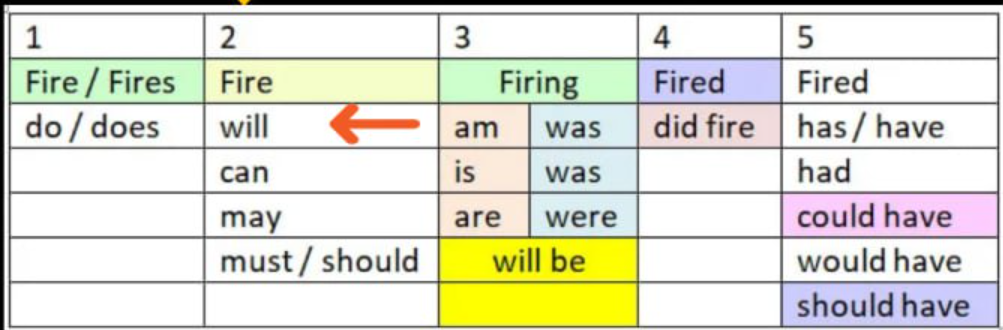
Col 2.
Will
Will ആണ് കോഡ് വാക്ക്!
Col 1 Fire/Fires പിരിച്ചുവിടാറുണ്ട്, പിരിച്ചുവിടുന്നു
Col 2 Fire പിരിച്ചുവിടുക (സാമാന്യ അർത്ഥം)
Col 3 Firing പിരിച്ചുവിടുന്നു, പിരിച്ചുവിട്ടുകൊണ്ടിരിക്കുന്നു, പിരിച്ചുവിട്ടുകൊണ്ടിരിക്കുകയായിരുന്നു, പിരിച്ചുവിടുകയായിരുന്നു
Col 4 Fired പിരിച്ചുവിട്ടു
Col 5 Fired പിരിച്ചുവിട്ടിരുന്നു, പിരിച്ചുവിട്ടിട്ടുണ്ട് &c.
Fire എന്ന വാക്കിന് തീ അഥവാ അഗ്നി എന്ന അർത്ഥം ഉണ്ട്.
എന്നാൽ തോക്ക് ഉപയോഗിച്ച് വെടിവെക്കുന്നതിനെ Fire എന്നും Open fire എന്നും പറയാറുണ്ട്.
അതേ സമയം തീ കത്തിക്കുന്നതിന്, Fire എന്നല്ല പറയുക. Light a fire എന്നു പറഞ്ഞാലാണ്, തീ കത്തിക്കുക എന്ന അർത്ഥം ലഭിക്കുക.
തീ കൊടുക്കുക എന്നതിന് Set fire എന്നാണ് പറയുക.
Fire എന്നവാക്കിന് മറ്റൊരു അർത്ഥവും ഉണ്ട്.
പിരിച്ചുവിടുക.
ഈ അർത്ഥമാണ് ഇവിടെ വാക്യപ്രയോഗത്തിൽ ഉപയോഗിക്കുന്നത്.

I will fire them if they are late everyday.
അവർ എല്ലാ ദിവസവും വൈകുകയാണ് എങ്കിൽ ഞാൻ അവരെ പിരിച്ചുവിടും.
Will I fire them if they are late everyday?
അവർ എല്ലാ ദിവസവും വൈകുകയാണ് എങ്കിൽ ഞാൻ അവരെ പിരിച്ചുവിടുമോ?
How will I fire them if they are late everyday?
അവർ എല്ലാ ദിവസവും വൈകുകയാണ് എങ്കിൽ ഞാൻ അവരെ എങ്ങിനെ പിരിച്ചുവിടും?
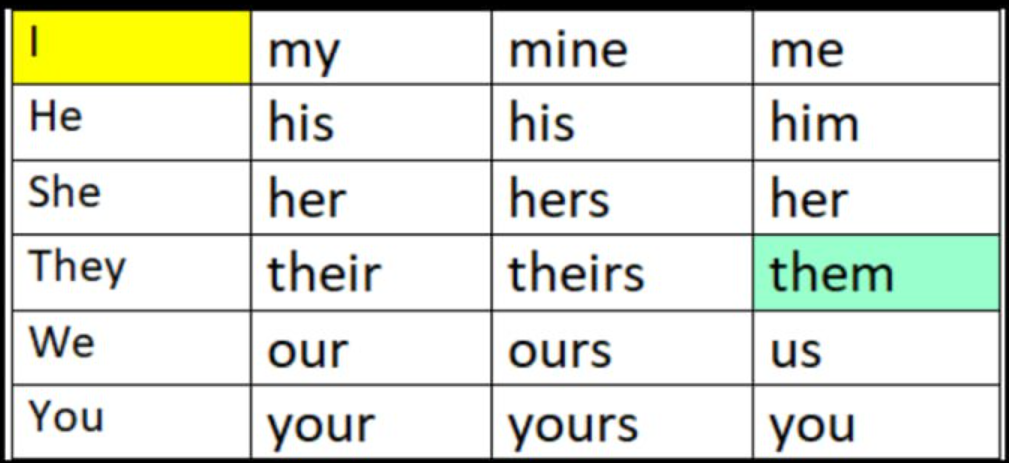
He will fire him within two weeks.
അയാൾ അയാളെ രണ്ടാഴ്ചക്കുള്ളിൽ പിരിച്ചുവിടും.
Will he fire him within two weeks?
അയാൾ അയാളെ രണ്ടാഴ്ചക്കുള്ളിൽ പിരിച്ചുവിടുമോ?
From where will he fire him within two weeks?
അയാൾ അയാളെ രണ്ടാഴ്ചക്കുള്ളിൽ എവിടെനിന്നും പിരിച്ചുവിടും?
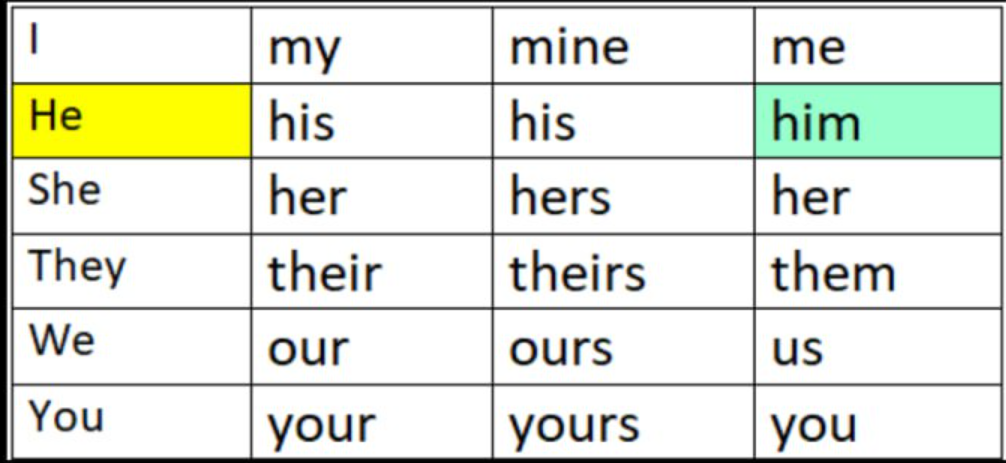
She will fire her before long.
വളരെ വൈകാതെ, അയാൾ (fem) അയാളെ (fem) പരിച്ചുവിടും.
Will she fire her before long?
വളരെ വൈകാതെ, അയാൾ (fem) അയാളെ (fem) പരിച്ചുവിടുമോ?.
When will she fire her?
അയാൾ (fem) അയാളെ (fem) എപ്പോൾ പരിച്ചുവിടും?
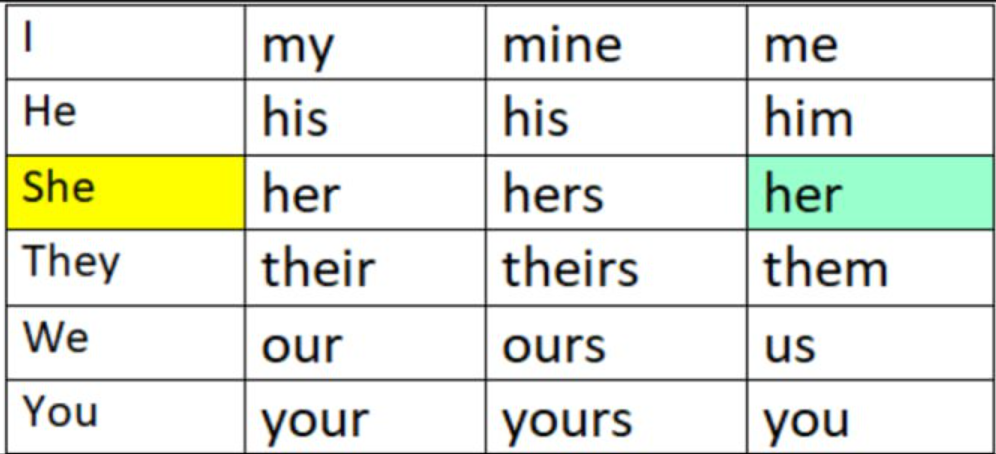
They will fire us if we do not work properly,
നമ്മൾ ശരിയാംവിധം തൊഴിൽ ചെയ്യുന്നില്ലായെങ്കിൽ അവർ നമ്മളെ പിരിച്ചുവിടും.
Will they fire us if we do not work properly?
നമ്മൾ ശരിയാംവിധം തൊഴിൽ ചെയ്യുന്നില്ലായെങ്കിൽ അവർ നമ്മളെ പിരിച്ചുവിടുമോ?
At what time will they fire us?
എത്ര മണിക്കാണ് അവർ നമ്മളെ പിരിച്ചുവിടുക?
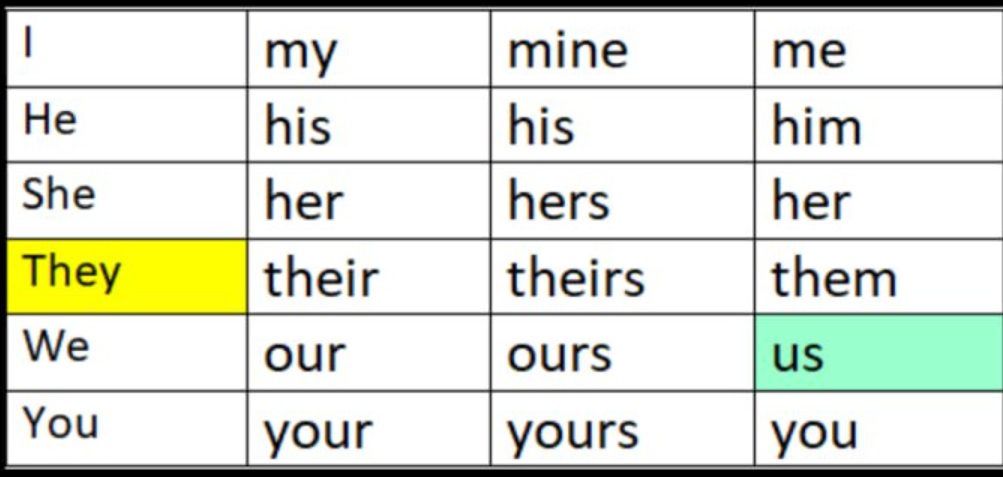
We will fire you if you speak like that again.
നിങ്ങൾ ഇനിയും അതുപോലെ സംസാരിക്കുകയാണ് എങ്കിൽ ഞങ്ങൾ നിങ്ങളെ പിരിച്ചുവിടും.
Will we fire you if you speak like that again?
നിങ്ങൾ ഇനിയും അതുപോലെ സംസാരിക്കുകയാണ് എങ്കിൽ ഞങ്ങൾ നിങ്ങളെ പിരിച്ചുവിടുമോ?
How will we fire you if you speak like that again?
നിങ്ങൾ ഇനിയും അതുപോലെ സംസാരിക്കുകയാണ് എങ്കിൽ ഞങ്ങൾ നിങ്ങളെ എങ്ങിനെ പിരിച്ചുവിടും?
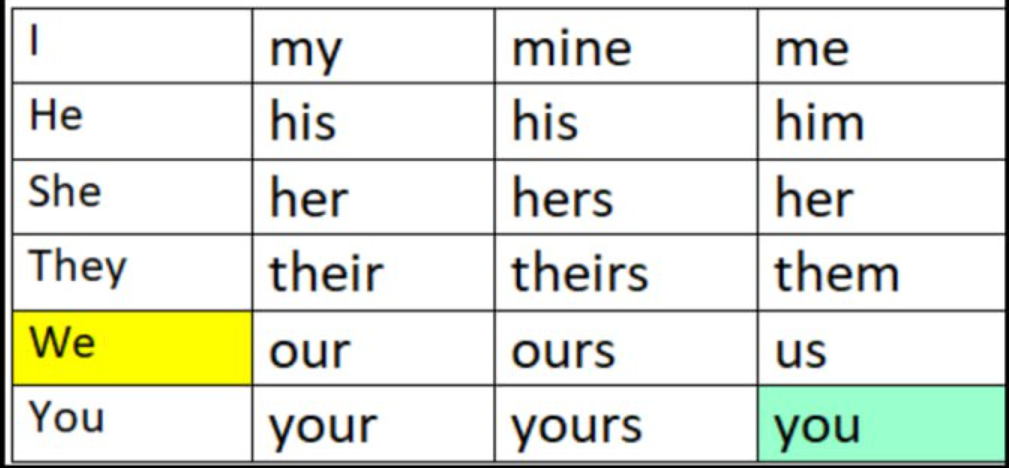
You will fire me if you do not like me.
നിങ്ങൾക്ക് എന്നെ ഇഷ്ടമല്ലായെങ്കിൽ, നിങ്ങൾ എന്നെ പിരിച്ചുവിടും.
Will you fire me if you do not like me?
നിങ്ങൾക്ക് എന്നെ ഇഷ്ടമല്ലായെങ്കിൽ, നിങ്ങൾ എന്നെ പിരിച്ചുവിടുമോ?
When will you fire me if you do not like me?
നിങ്ങൾക്ക് എന്നെ ഇഷ്ടമല്ലായെങ്കിൽ, നിങ്ങൾ എന്നെ എപ്പോൾ പിരിച്ചുവിടും?
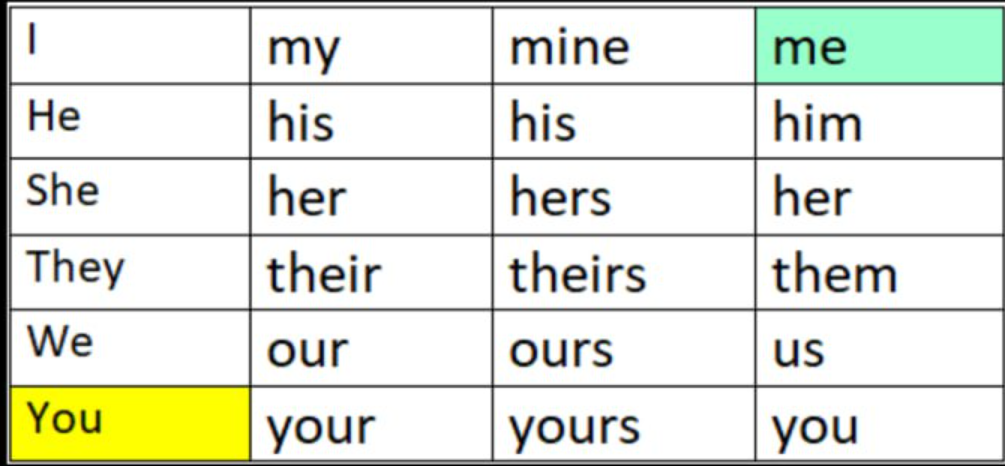
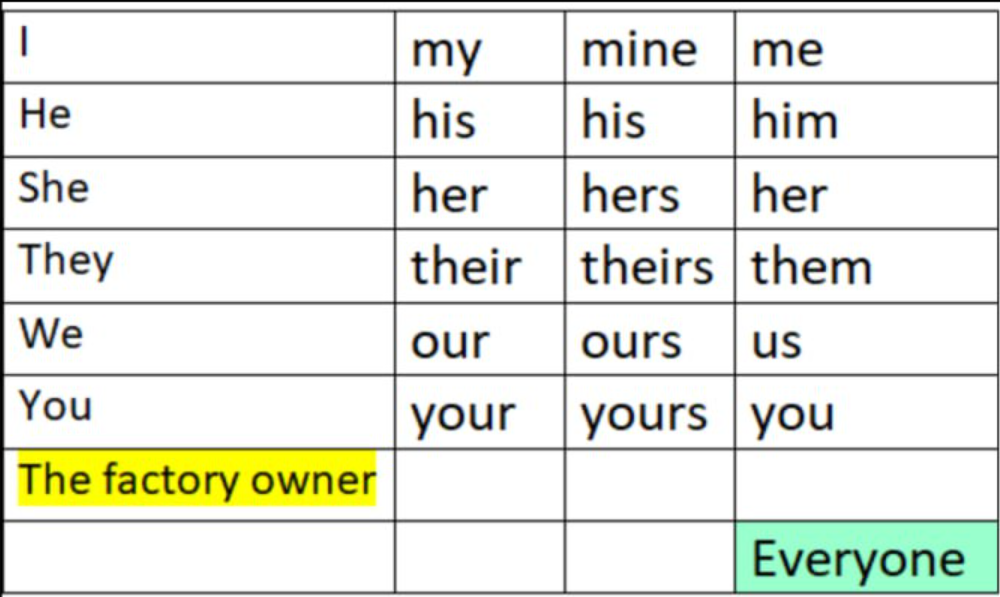
The factory owner will fire everyone if they do not come on time.
അവർ സമയത്തിന് വരുന്നില്ലായെങ്കിൽ ഫാക്ടറി ഉടമ എല്ലാരേയും പിരിച്ചുവിടും.
Will the factory owner fire everyone if they do not come on time?
അവർ സമയത്തിന് വരുന്നില്ലായെങ്കിൽ ഫാക്ടറി ഉടമ എല്ലാരേയും പിരിച്ചുവിടുമോ?
At what time will the factory owner fire everyone?
ഫാക്ടറി ഉടമ എല്ലാരേയും എത്ര മണിക്ക് പിരിച്ചുവിടും?
Who will fire them if they are late everyday?
അവർ എല്ലാ ദിവസവും വൈകുകയാണ് എങ്കിൽ അവരെ ആരാണ് പിരിച്ചുവിടുക?
അവർ എല്ലാ ദിവസവും വൈകുകയാണ് എങ്കിൽ അവരെ ആര് പിരിച്ചുവിടും?
1. I fire employees who are consistently late.
ഞാൻ എപ്പോഴും വൈകുന്ന ജീവനക്കാരെ പുറത്താക്കുന്നു.
2. Why does he fire workers without warning?
എന്തുകൊണ്ടാണ് അയാൾ മുന്നറിയിപ്പില്ലാതെ തൊഴിലാളികളെ പുറത്താക്കുന്നത്?
3. She fires anyone who breaks the rules.
അയാൾ(f) നിയമങ്ങൾ ലംഘിക്കുന്നവരെ പുറത്താക്കുന്നു.
4. When will they fire the underperforming staff?
അവർ എപ്പോഴാണ് മോശം പ്രകടനം കാഴ്ചവയ്ക്കുന്ന ജീവനക്കാരെ പുറത്താക്കുക?
5. We must fire the manager for misconduct.
ഞങ്ങൾ മോശം പെരുമാറ്റത്തിന് മാനേജരെ പുറത്താക്കണം.
6. You should fire the assistant for negligence.
നിങ്ങൾ അശ്രദ്ധ കാരണം അസിസ്റ്റൻ്റിനെ പുറത്താക്കണം.
7. His father fires workers who miss deadlines.
അയാളുടെ പിതാവ് സമയപരിധി പാലിക്കാത്ത തൊഴിലാളികളെ പുറത്താ ക്കുന്നു.
8. What will their mother fire someone for?
അവരുടെ അമ്മ എന്തിനാണ് ആരെയെങ്കിലും പുറത്താക്കുക?
9. Your brother can fire the team if necessary.
നിങ്ങളുടെ സഹോദരന് ആവശ്യമെങ്കിൽ ടീമിനെ പുറത്താക്കാൻ കഴിയും.
10. How does our sister fire employees fairly?
ഞങ്ങളുടെ സഹോദരി എങ്ങനെയാണ് ജീവനക്കാരെ ന്യായമായി പുറത്താക്കുന്നത്?
11. Their neighbours may fire the gardener soon.
അവരുടെ അയൽക്കാർ ഉടൻ പൂന്തോട്ടക്കാരനെ പുറത്താക്കിയേക്കാം.
12. At what time will I fire the consultant?
ഞാൻ ഉപദേശകനെ എപ്പോഴാണ് പുറത്താക്കുക?
13. He must fire the clerk for stealing.
അയാൾ മോഷണത്തിന് ക്ലർക്കിനെ പുറത്താക്കണം.
14. How many times does she fire staff each year?
അയാൾ(f) ഓരോ വർഷവും എത്ര തവണ ജീവനക്കാരെ പുറത്താക്കുന്നു?
15. They should fire the supervisor for laziness.
അവർ അസലതയ്ക്ക് സൂപ്പർവൈസറെ പുറത്താക്കണം.
16. Why do we fire people without evidence?
ഞങ്ങൾ എന്തുകൊണ്ടാണ് തെളിവില്ലാതെ ആളുകളെ പുറത്താക്കുന്നത്?
17. You can fire that man for poor performance.
നിങ്ങൾക്ക് മോശം പ്രകടനത്തിന് അയാളെ പുറത്താക്കാൻ കഴിയും.
18. His father will fire the accountant next week.
അയാളുടെ പിതാവ് അടുത്ത ആഴ്ച അക്കൗണ്ടൻ്റിനെ പുറത്താക്കും.
19. When does their mother fire unreliable workers?
അവരുടെ അമ്മ വിശ്വാസയോഗ്യമല്ലാത്ത തൊഴിലാളികളെ എപ്പോഴാണ് പുറത്താക്കാറ്?
20. Our sister may fire the driver for laziness.
ഞങ്ങളുടെ സഹോദരി അലസതക്ക് ഡ്രൈവറെ പുറത്താക്കിയേക്കാം.